
On March 30, 2026 Canadian cannabis giant Organigram announced a major deal in the market after shareholders officially voted in favor of acquiring German pharmaceutical company Sanity Group GmbH. The deal is worth up to €250 million (or about $270 million).
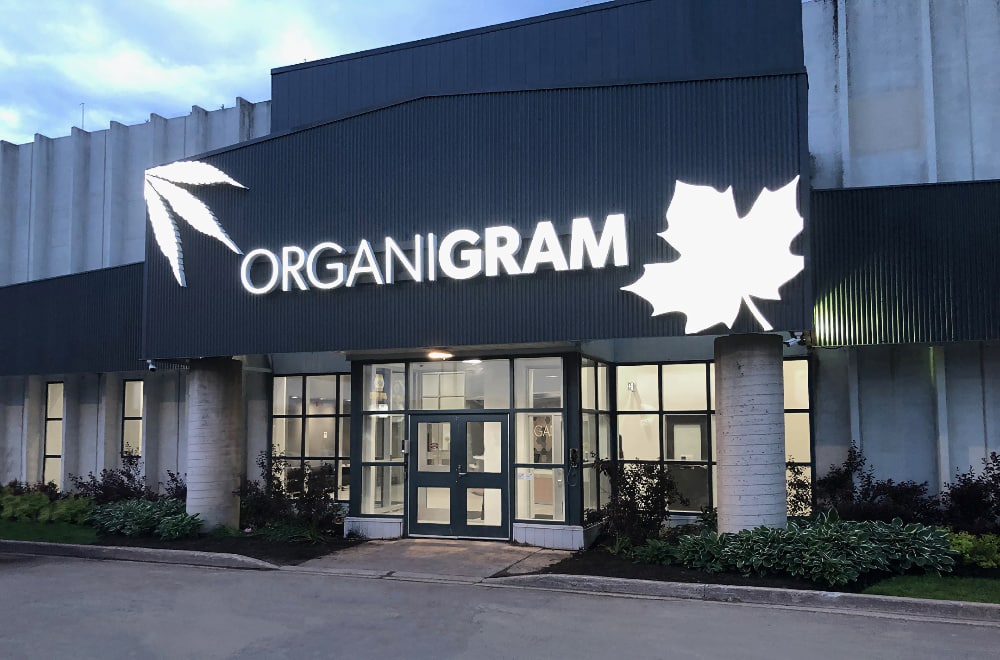
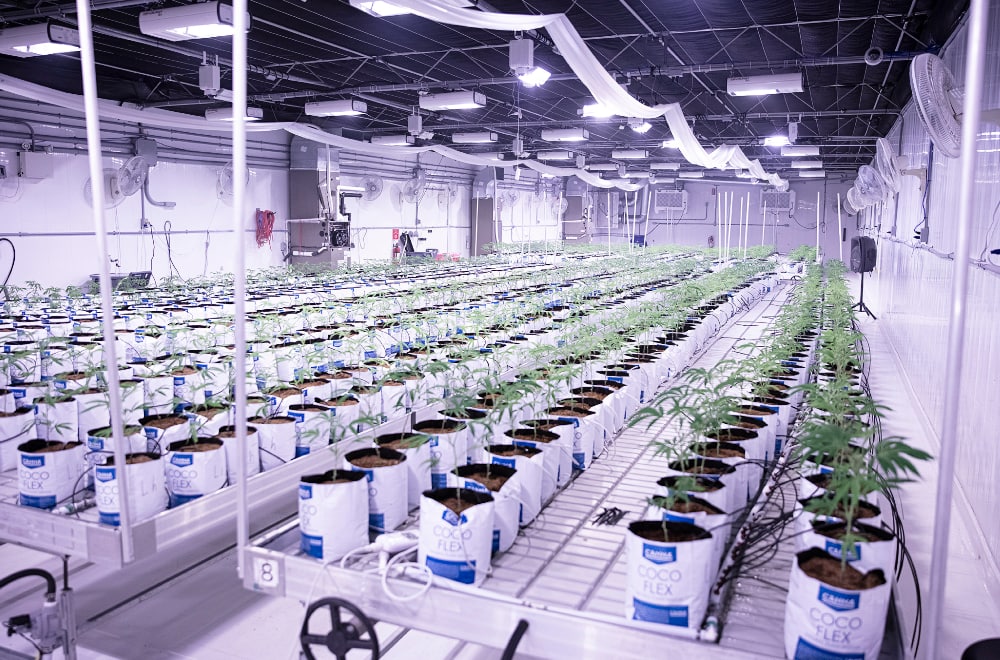
Organigram is famous for large-scale cannabis cultivation and standardized production technology. Sanity Group GmbH brings established access to Germany’s medical cannabis market, along with its Vayamed brand and broader European distribution reach.
This deal is significant for the global cannabis market for several reasons:
By combining Sanity Group’s clinical research and distribution chain with Organigram’s indoor cultivation, the new entity aims to capture a meaningful share of the German medical market by the end of 2026.
With this deal, Organigram isn't just in Germany. Having a hub in Berlin will help their product reach consumers in other European countries.
Organigram is backed by British American Tobacco (BAT). BAT just invested another $65,2 million to help pay for this deal. Having a giant company like BAT involved shows that cannabis has already become a significant business.
Source: Organigram Press Kit
While the Organigram deal is the biggest news of the month, other cannabis companies are moving towards vertical integration as well. Here are other recent M&As deals in the cannabis industry announced:
German Canify AG has merged with African MG Health to support low-cost growing in the high-altitude, sunny climate of Lesotho with German GMP standards. By growing in Africa and processing the medicine in Germany, companies plan to sell their products cheaper than Canadian imports without losing any quality.
Intercure, a big cannabis company from Israel, is buying up more shares in different Portuguese farms, bringing Israeli scientific and clinical expertise to European growers. Their main goal is to produce high-THC medical cannabis to ship to patients in the UK and Germany.
Source: Organigram Press Kit
There are two main reasons behind this wave of cannabis M&A:
First: Cannabis Rescheduling In the USA. As the government considers moving marijuana to a Schedule III category of Controlled Substances (less restrictive one), companies want to scale up so they are ready to compete in a larger market.
Second: Controlled distribution: companies need to own pharmaceutical certificates (EU-GMP and other) to be able to sell in the European and American markets. So pharmaceutical companies merge with growers to implement medical production standards.
These deals may help lower prices by reducing production costs and improve product consistency. On the other hand, they could make it harder for small independent farms to survive as larger merged companies take more control of the market.

The 23rd edition of Europe's leading cannabis trade fair will take place on April 17–19, 2026, at its new venue — Bilbao Exhibition Centre in Barakaldo. Find below all the details known about the upcoming Spannabis Festival, from the World Cannabis Conference to the prestigious Champions Cup.
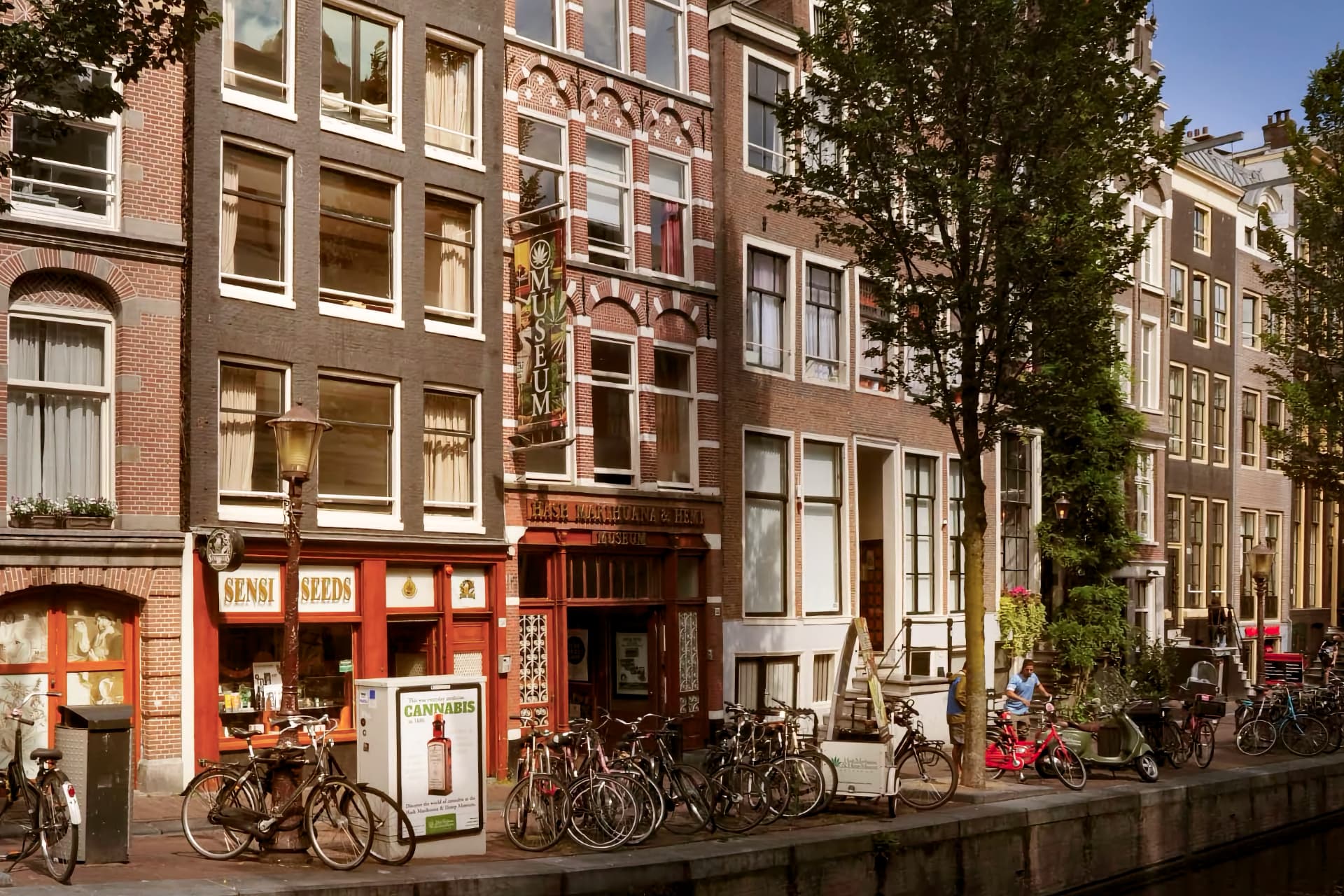
Did you know that Henry Ford’s first car was made from hemp? Or that many great Arab scholars of the Middle Ages — the same ones who gave us modern numerals — used to smoke hashish?

Legalizing medical cannabis has stimulated Spain’s cannabis cultivation industry. According to the report from The Objective magazine, the Spanish government has already granted 224 licenses for marijuana growing since 2018.



