
On April 1, 2024, the Cannabis Act (KCanG) came into force in Germany, marking a fundamental shift in the country's drug policy.
The reform legalized the possession of limited amounts of the substance for adults, private cultivation of up to three plants, and the creation of non-profit associations (cannabis clubs) for collective cultivation.
Two years after these changes, the research group of the EKOCAN project published its second interim report, analyzing the impact of the new rules on the market, law enforcement, and public health.
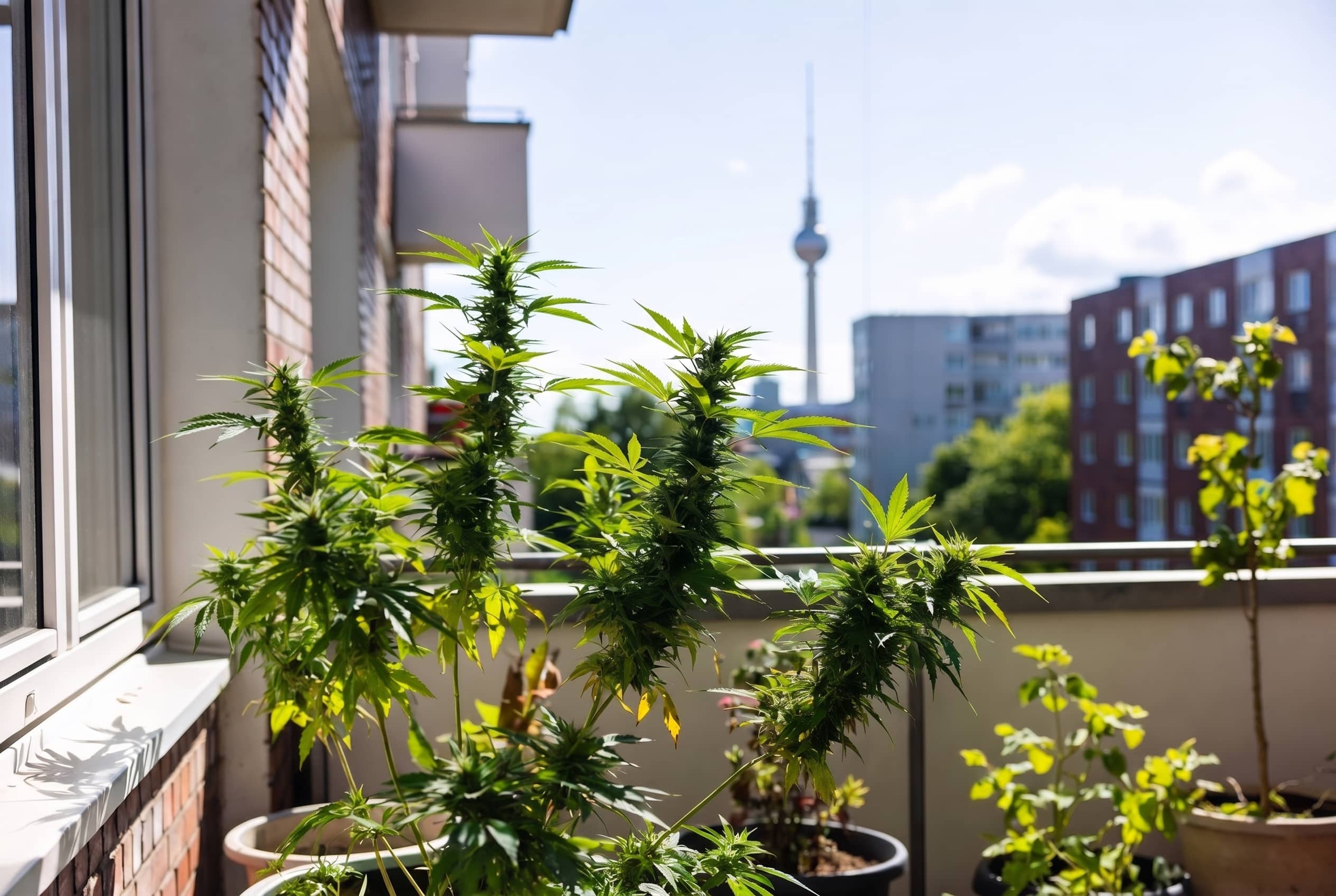
According to the study, the share of cannabis obtained from legal sources has increased significantly over the past two years. A key trend has been the rise of home cultivation: the proportion of consumers providing for themselves through their own harvest grew from 5.4% at the beginning of 2024 to 21.4% by the end of 2025.
In parallel, Germany has solidified its position as the largest legal commercial cannabis market in Europe. In 2025, approximately 200 tons of medical cannabis were in circulation. This was facilitated by the implementation of a separate law (MedCanG), which simplified the process for obtaining prescriptions.
Researchers note that many consumers have transitioned to using pharmaceutical products, which often feature high THC concentrations (over 20–25%), sparking discussions about potential risks to mental health.
Meanwhile, specialized associations (cannabis clubs) have not yet become a mass phenomenon. As of October 2025, only 366 permits had been issued for their operation, serving the needs of only 3.5% of consumers.
The reform led to the most extensive decriminalization in German history: thousands of criminal cases related to the possession of small amounts of cannabis were dismissed. However, law enforcement agencies point to new challenges. Since the possession of cannabis is no longer an automatic ground for a search, it has become more difficult for police to identify organized crime structures.
At the same time, an increase in illegal imports has been recorded. In 2025, customs authorities seized four times more smuggled cannabis (predominantly from Canada and the USA) than before the reform. This indicates that the professional black market remains a strong competitor to legal options.
Researchers emphasize that there has been no sharp spike in consumption among youth under 25 over the past two years — figures remain stable. Nevertheless, a "gap" has emerged in the prevention system: due to decriminalization, police have stopped referring minors to early intervention programs, which were previously linked to the commission of a legal offense.
To address this, authorities continue to develop prevention information portals aimed at teenagers and parents. The EKOCAN project, funded by the German Federal Ministry of Health, will continue monitoring the situation until 2028. The final report is expected to provide a comprehensive picture of whether the reform has achieved its primary goals: undermining the black market and improving consumer safety.
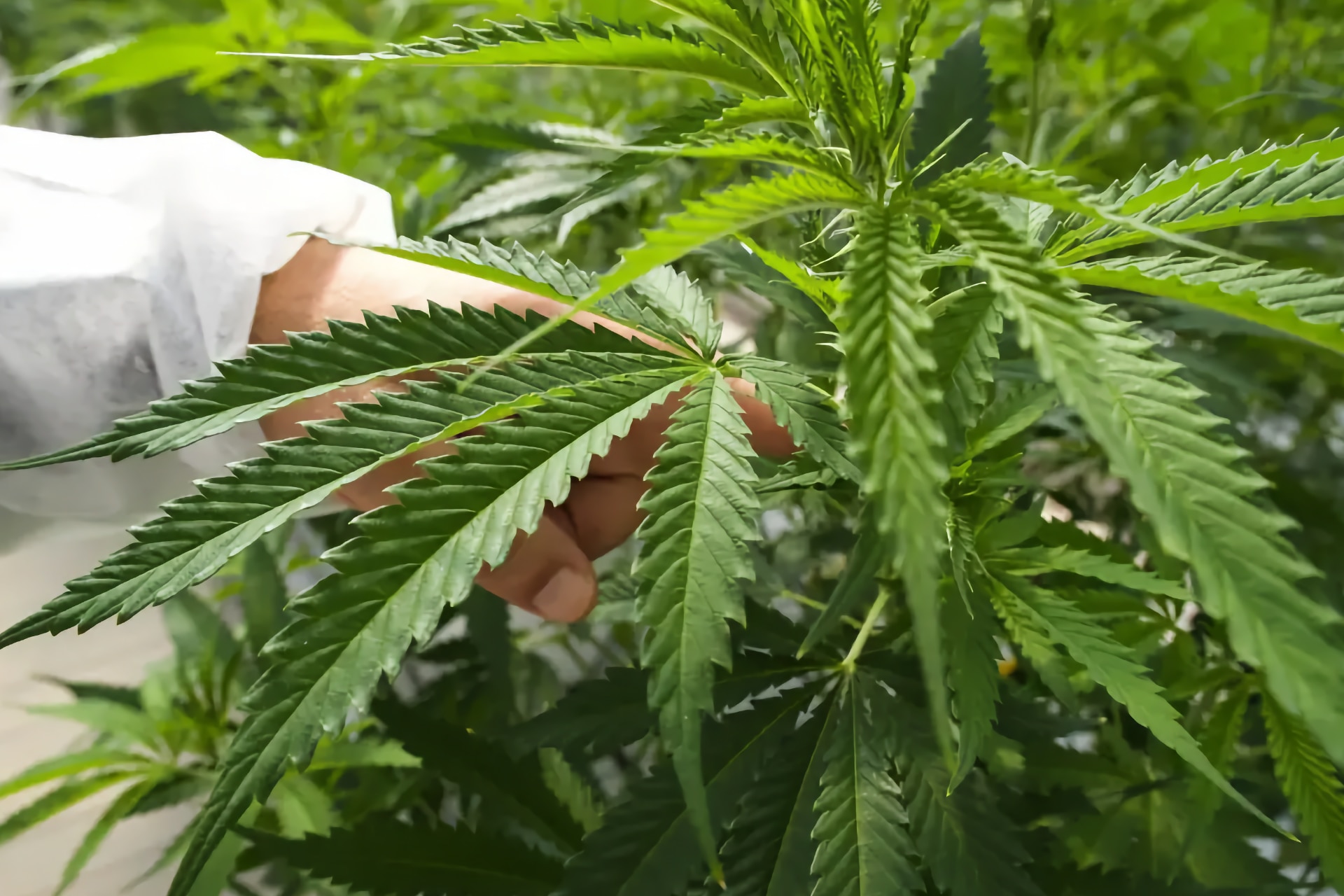
Nivaria Tech Arico S.L. has secured official AEMPS authorization to launch the first eco-friendly medical cannabis cultivation facility in the Canary Islands, leveraging Tenerife's natural sunlight and advanced EU GMP-compliant technology.

Spanish startup Taima Growth S.L. has successfully navigated strict regulatory hurdles to secure authorization from AEMPS for medical cannabis cultivation. With a high-tech indoor facility in Burgos, the company is preparing for process validation as it sets its sights on major European export markets.
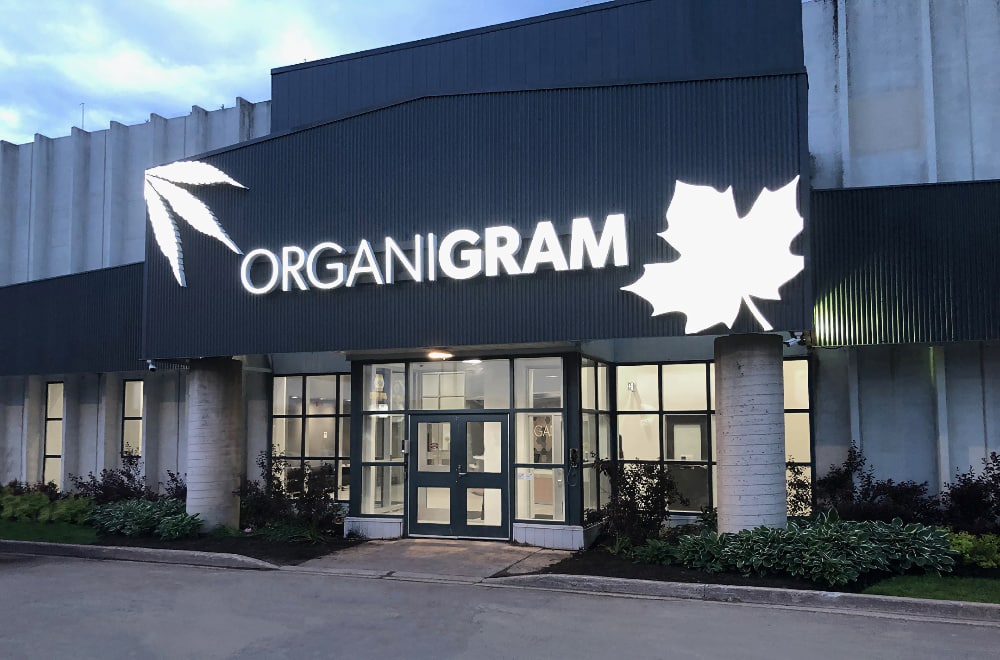
A new European powerhouse emerges: Canada's Organigram acquired Germany's Sanity Group for €250 million. Backed by British American Tobacco, this deal reshapes the medical cannabis landscape. Here's what to expect by late 2026.



