
Did you know that Henry Ford’s first car was made from hemp? Or that many great Arab scholars of the Middle Ages — the same ones who gave us modern numerals — used to smoke hashish? You might also be surprised to learn about the French “Club des Hashischins,” where legends like Alexandre Dumas, Arthur Rimbaud and others met to explore how cannabis affects creativity.
The contribution of hemp and cannabis to industry, culture, and medicine are rarely mentioned in school books. But across Europe, there are several very interesting museums that immerse visitors into the centuries-long story of cannabis.
Here are the top-5 marijuana museums to visit in Europe.
The Amsterdam museum is probably the most famous marijuana museum in the world. Founded in 1991 by cultivator Ben Dronkers, it began as a private collection. Now the museum features more than 9000 artifacts, including a large hydroponic installation with live plants.
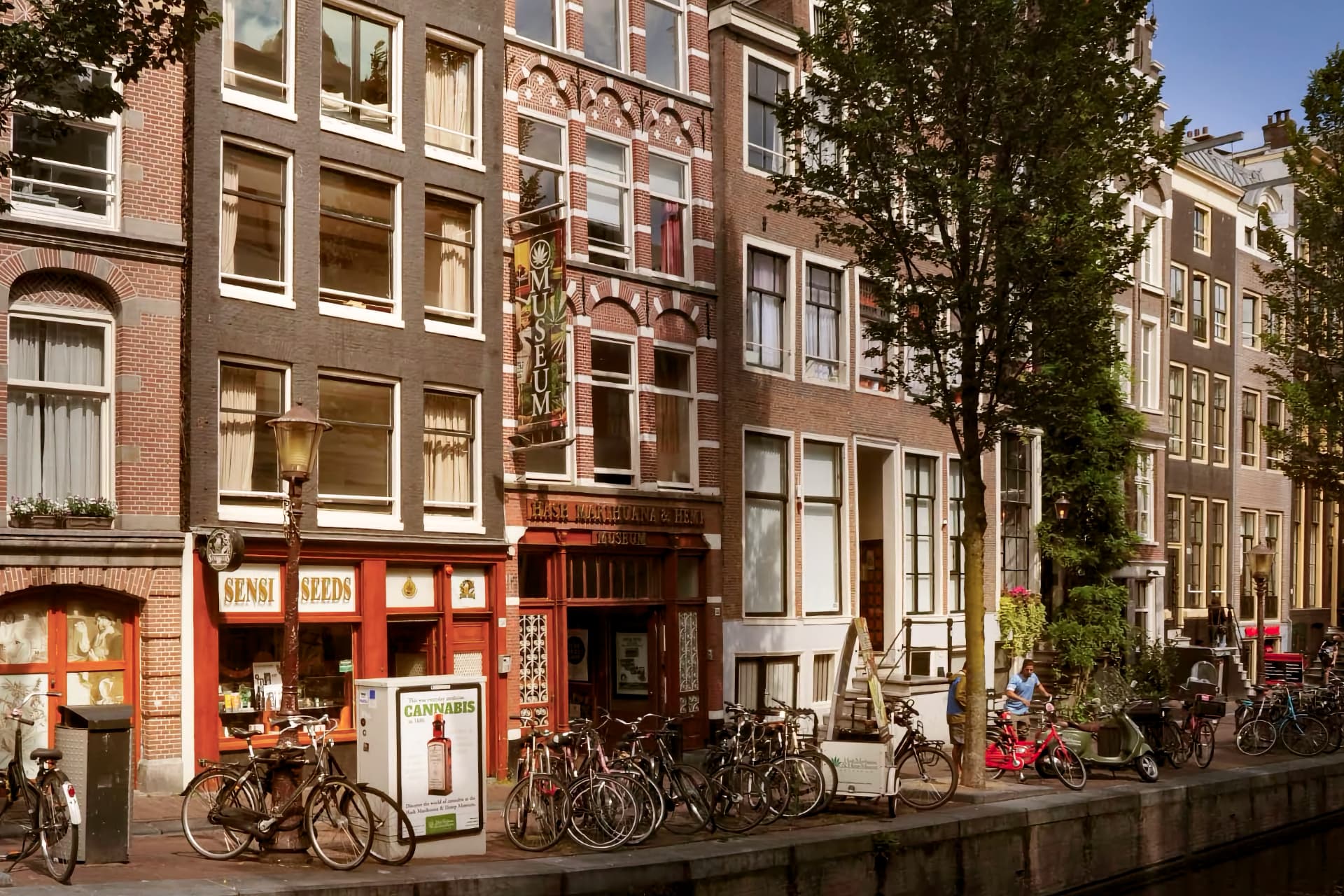
Why should you visit it? To experience the full spectrum of cannabis culture, from its ancient uses to modern innovations, all under one roof.
The collection includes smoking accessories from various eras and cultures, medieval medical tools for cannabis usage, artworks from the 17th to 19th centuries depicting cannabis scenes, vintage posters, examples of hemp eco-materials, and of course live specimens representing different varieties — it's the founder’s personal passion.
Key exhibits:
Website: www.hashmuseum.com
The Amsterdam museum’s “younger sibling” opened in Barcelona in 2013 inside the 16th-century Palau Mornau palace — and it’s no less impressive.
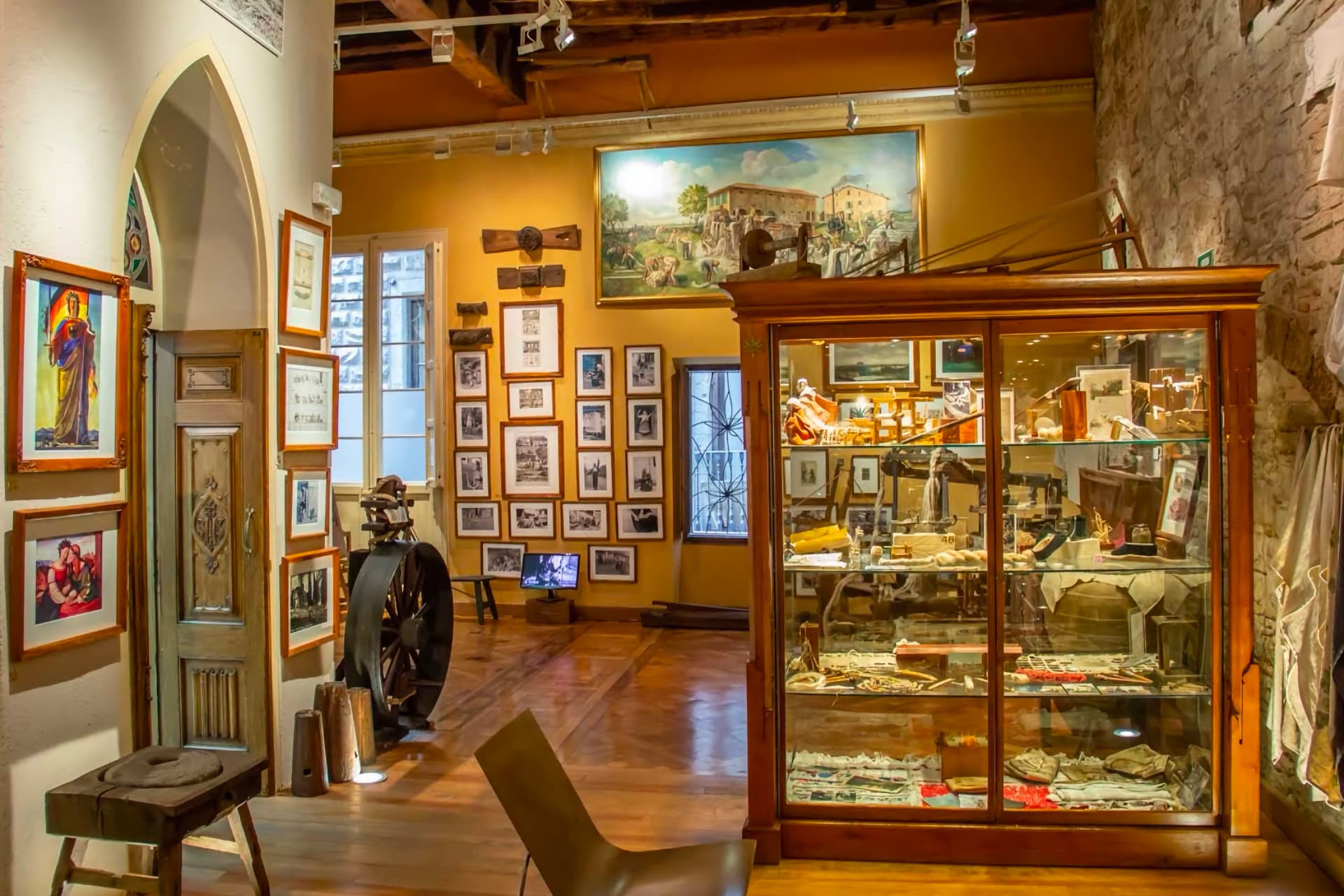
The collection explores marijuana’s role in pop culture, ancient religions, and medicine, as well as the importance of industrial hemp in maritime history. A large exhibit is dedicated to the famed 19th-century “Club of Hashischins”, where the French intelligentsia experimented with hashish to influence their creativity.
Key exhibits:
Website: www.hashmuseum.com
Smaller than the previous museums, Berlin Hanf Museum stands out for its exceptional photographic archive and historical documentation.
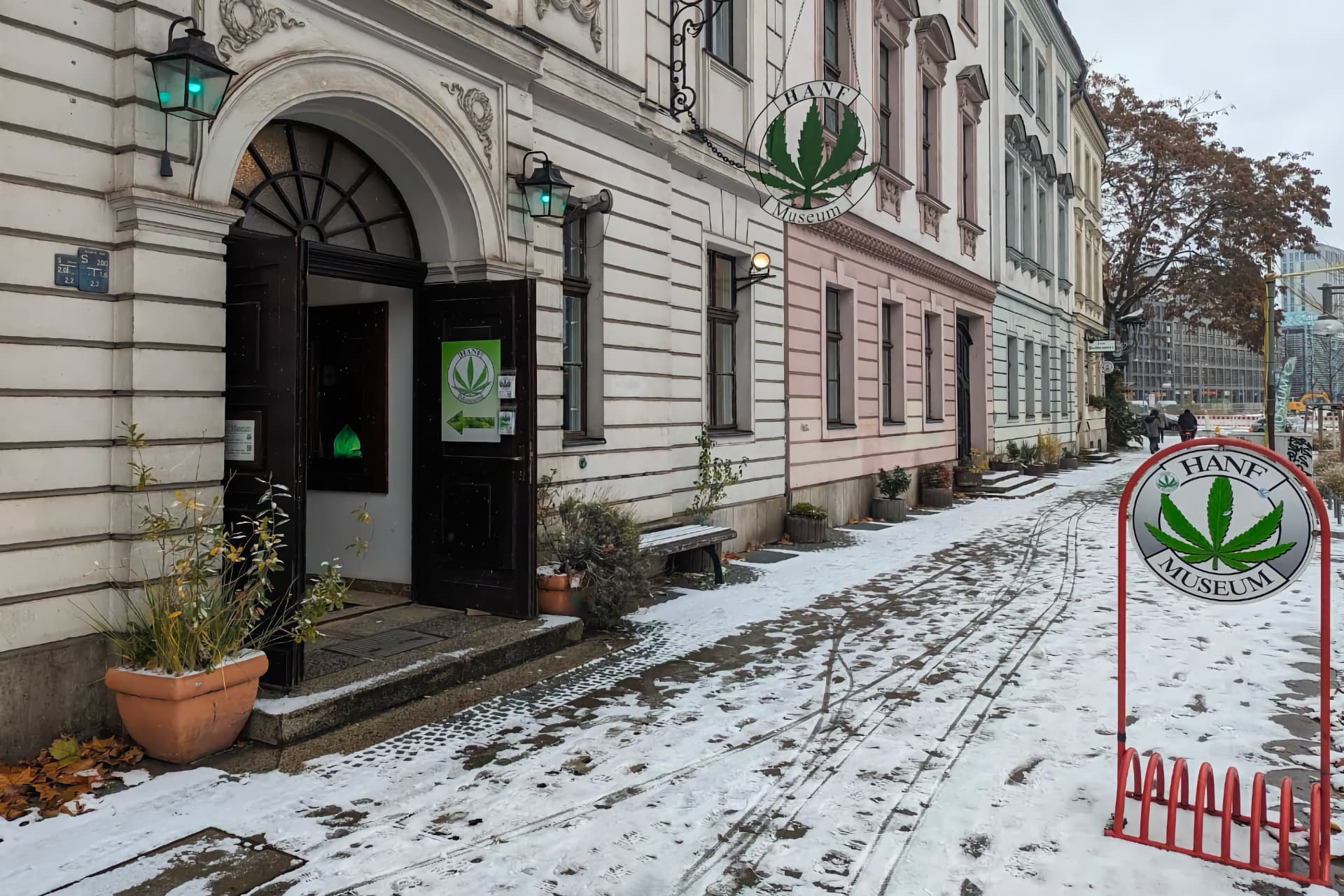
Why should you visit it? For facts and knowledge. The museum curates historical documents and photos with typical German precision and serves as a venue for ongoing public debates on the future of industrial, recreational, and medical cannabis. It collaborates with research institutions and co-organizes the annual Hanfparade in Berlin.
The collection features archival illustrations shown alongside live hemp plants; documents, posters, and photos tracing the history of cannabis usage, bans, and propaganda; religious smoking accessories from Asia, Africa, and South America; medieval medical items; and agricultural equipment used for hemp cultivation.
Key exhibits:
Website: www.hanfmuseum.de
The small French town of Bligny has a long tradition of hemp cultivation, it used to be a local rural craft for centuries before industrialization. The Musée du Chanvre was founded to preserve and celebrate this legacy.
Why should you visit it? For a unique look at hemp as a traditional rural craft. Many locals still keep old spinning wheels and farming tools in their homes, so visitors can see traces of this heritage both inside and outside the museum.
The collection includes agricultural tools, spinning and weaving equipment, samples of ropes, fabrics, and hemp canvas, with walls adorned by photographs of buildings constructed using hemp-based materials.
Key exhibits:
The oldest hemp-processing tool called teilloir: it is a large wooden device used by farmers to break hemp stalks and separate the fibers by hand.
Opened in 2022, the Zagreb Cannabis Museum is Europe’s newest and most technologically advanced cannabis institution. Its multimedia exhibits cover topics from hemp agriculture and textiles to cannabis culture and medicine.
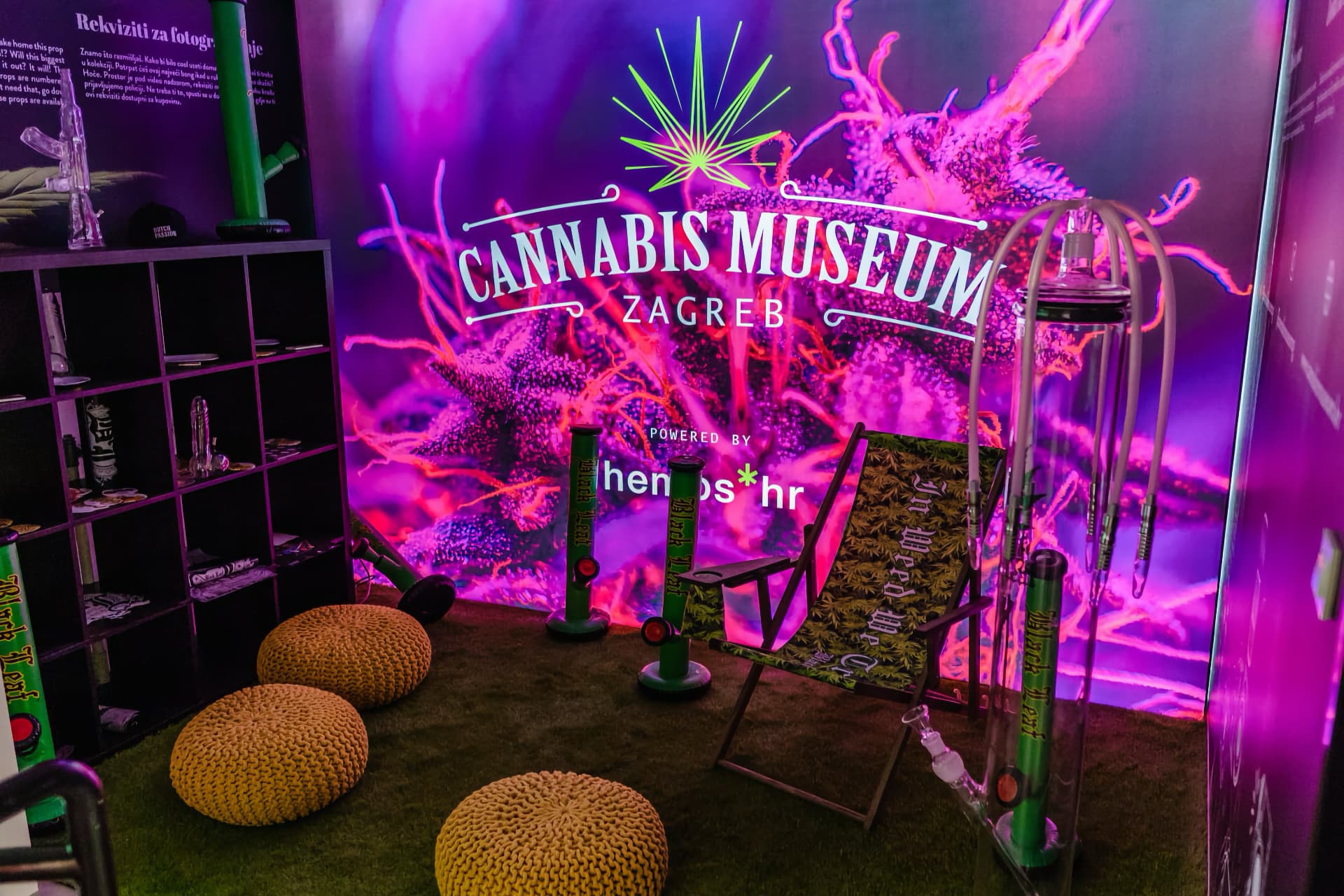
Why should you visit it? For an immersive experience. Digital screens, tablets, and audio guides allow visitors to interact directly with the displays, examine live plants, and learn about cannabis production in an engaging way.
The museum blends technology and botany, offering 4D installations, multimedia presentations, and a greenhouse with live cannabis plants. It also features an engaging collection of quotes from famous figures about marijuana.
Website: www.cannabismuseum.hr

The 23rd edition of Europe's leading cannabis trade fair will take place on April 17–19, 2026, at its new venue — Bilbao Exhibition Centre in Barakaldo. Find below all the details known about the upcoming Spannabis Festival, from the World Cannabis Conference to the prestigious Champions Cup.
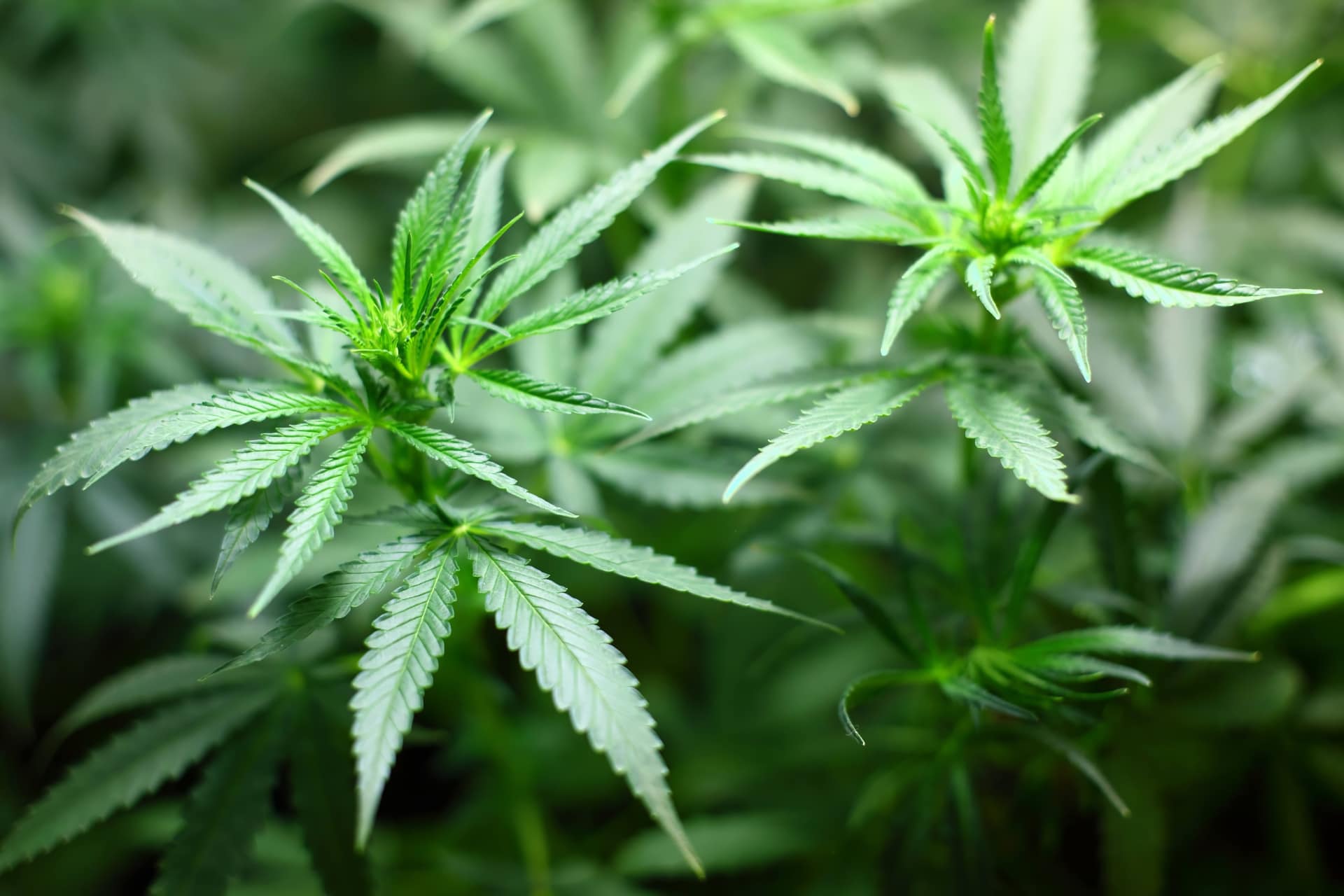
Legalizing medical cannabis has stimulated Spain’s cannabis cultivation industry. According to the report from The Objective magazine, the Spanish government has already granted 224 licenses for marijuana growing since 2018.
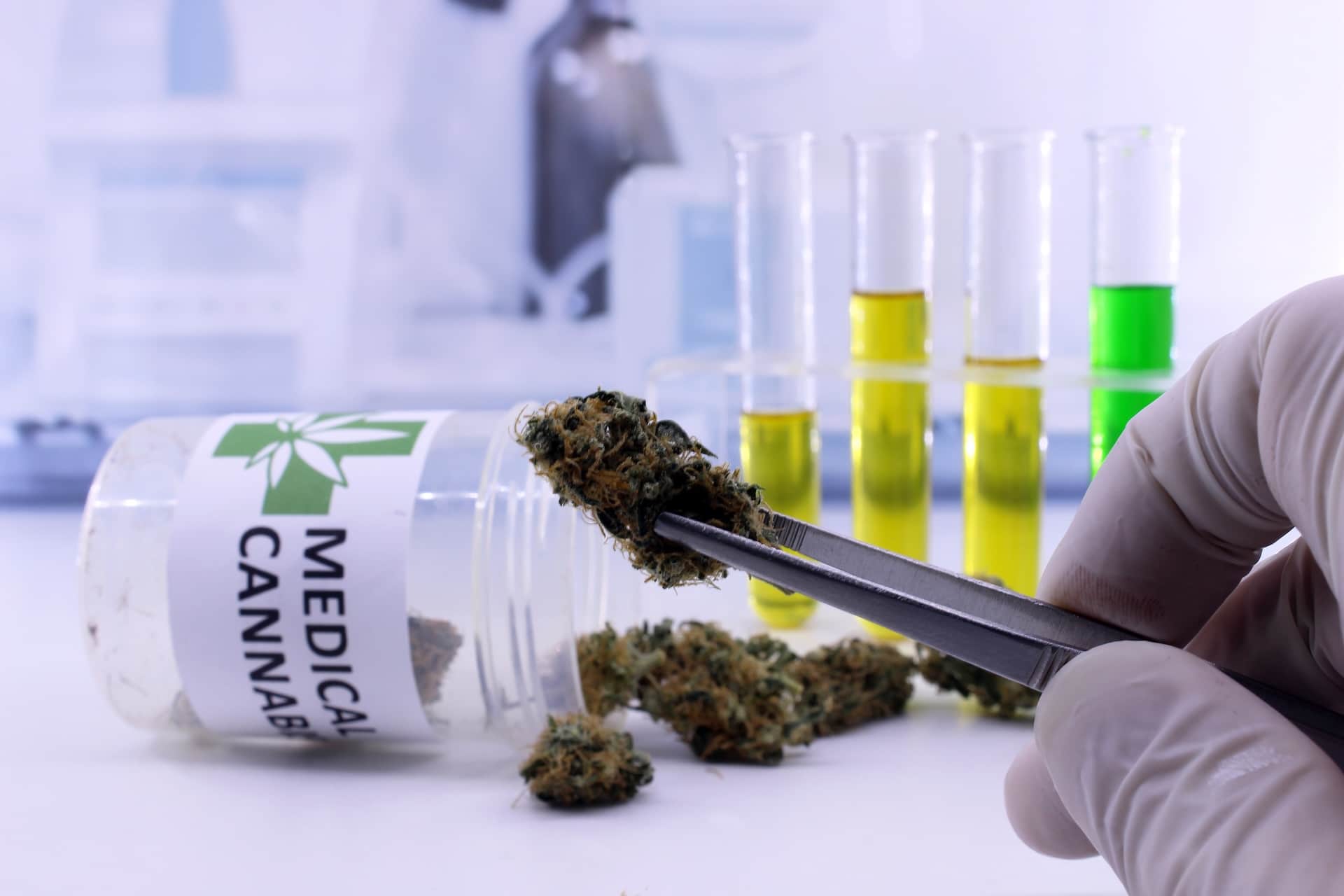
Spain has formally regulated the medical cannabis use through the approval of Royal Decree 903/2025. The decree defines the conditions under which cannabis-based medicines can be prescribed and distributed within public hospitals.



