
Most people recognize marijuana for its two major substances: THC, responsible for psychoactivity, and CBD, valued for its therapeutic effects. However, recent research has identified approximately 600 different chemical compounds in cannabis, and scientists are paying more and more attention to some of the less-famous ingredients. Let’s find out why!
Cannabis ingredients can be categorized into four groups:
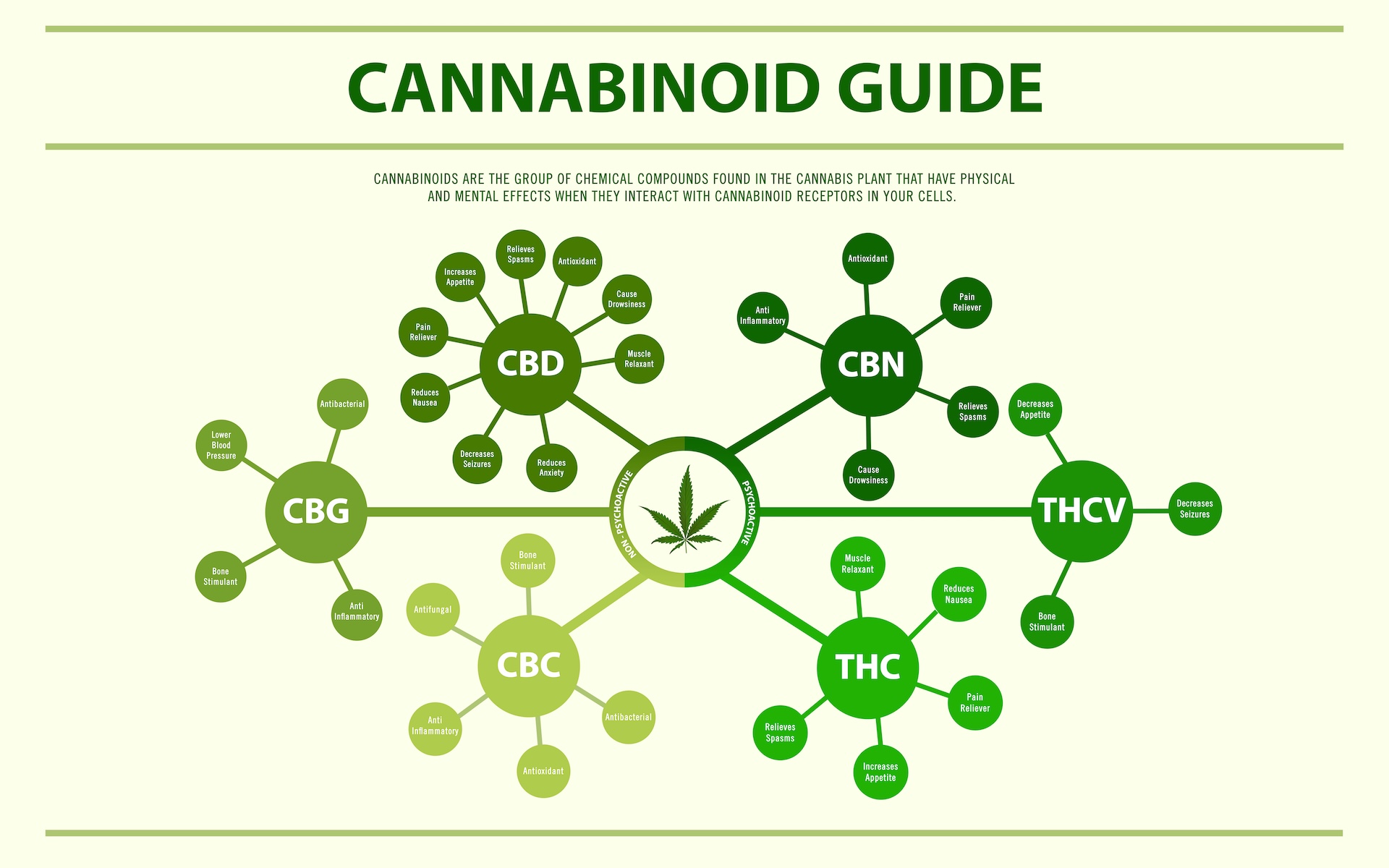
THC and CBD are the most famous cannabinoids. THC causes the psychoactive effect, while CBD is known for helping with relaxation and fighting inflammation. Besides them, scientists have uncovered more than 100 cannabinoids with unique pharmacological profiles.
Here are three of the most interesting minor cannabinoids:
Terpenes are the tiny molecules behind marijuana’s unique smell and taste — their combination can make it smell fruity, floral, or earthy depending on the blend. Terpenes don’t just add fragrance; they also boost cannabis’s effects. For example, the terpene pinene has a bronchodilation effect, and all monoterpenes (limonene, menthol and others) are known antiseptics. Scientists are now exploring if terpenes can act as antioxidants and immune boosters.
For more information, please check out our detailed cannabis terpenes review.
Flavonoids are pigments that define cannabis (and other plants) color, while their potential health benefits are currently under investigation. So far, flavonoids are among the most promising but least explored cannabis compounds in medicine.
Here are some of the most remarkable flavonoids found in marijuana:
Beyond cannabinoids, terpenes and flavonoids, cannabis contains amino acids (the plant’s building cells), sugars (energy for growth), and a wide range of minerals and vitamins. These nutrients vary depending on strain and growing conditions and can include magnesium, potassium, calcium, copper, and zinc, as well as vitamins B, C, and E.
While these nutrients help the plant thrive, cannabis’s real medical value is still tied to its unique blend of cannabinoids, terpenes, and flavonoids. Researchers agree that these cannabis elements work the best in synergy rather than separately: each one boosting the others.
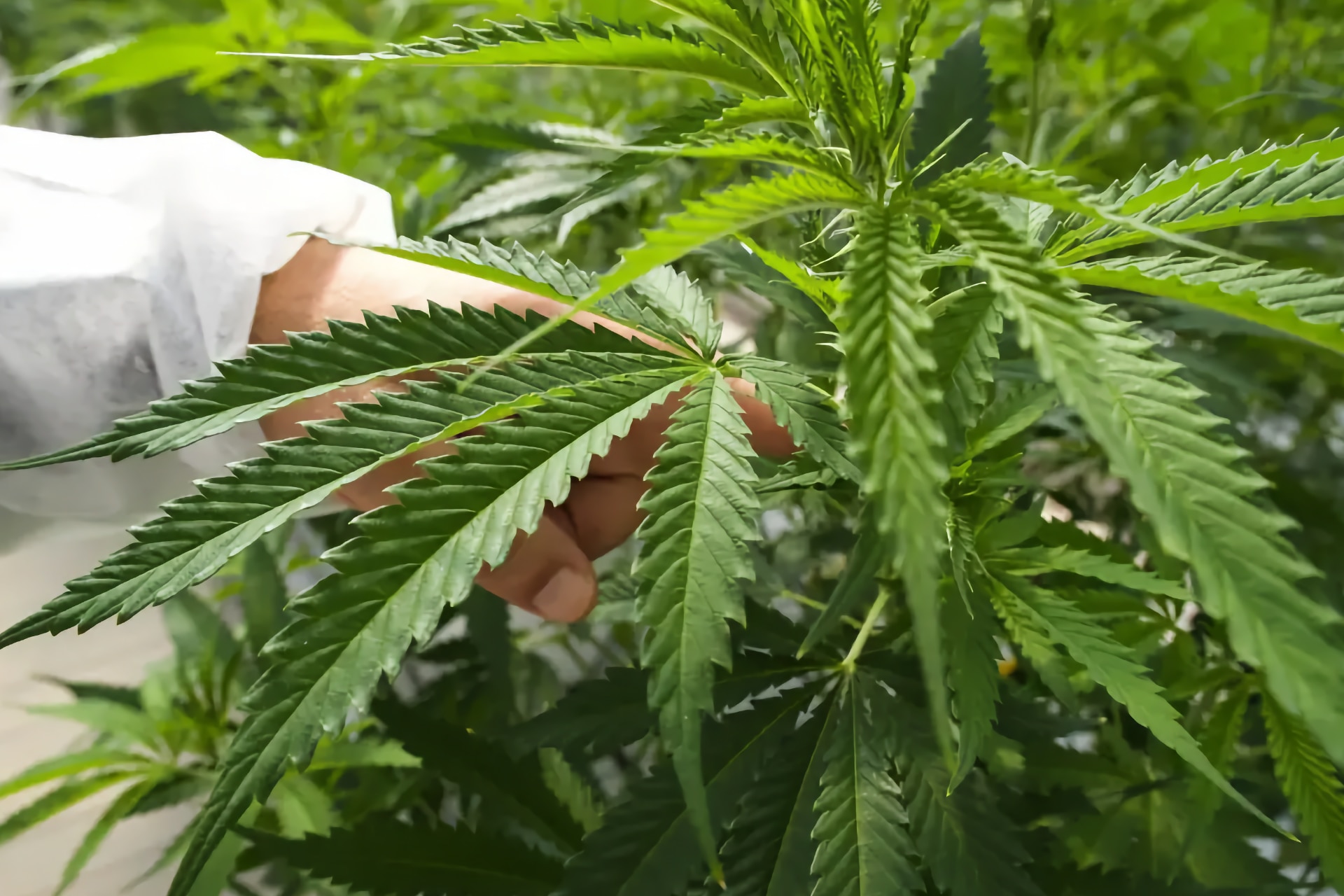
Nivaria Tech Arico S.L. has secured official AEMPS authorization to launch the first eco-friendly medical cannabis cultivation facility in the Canary Islands, leveraging Tenerife's natural sunlight and advanced EU GMP-compliant technology.
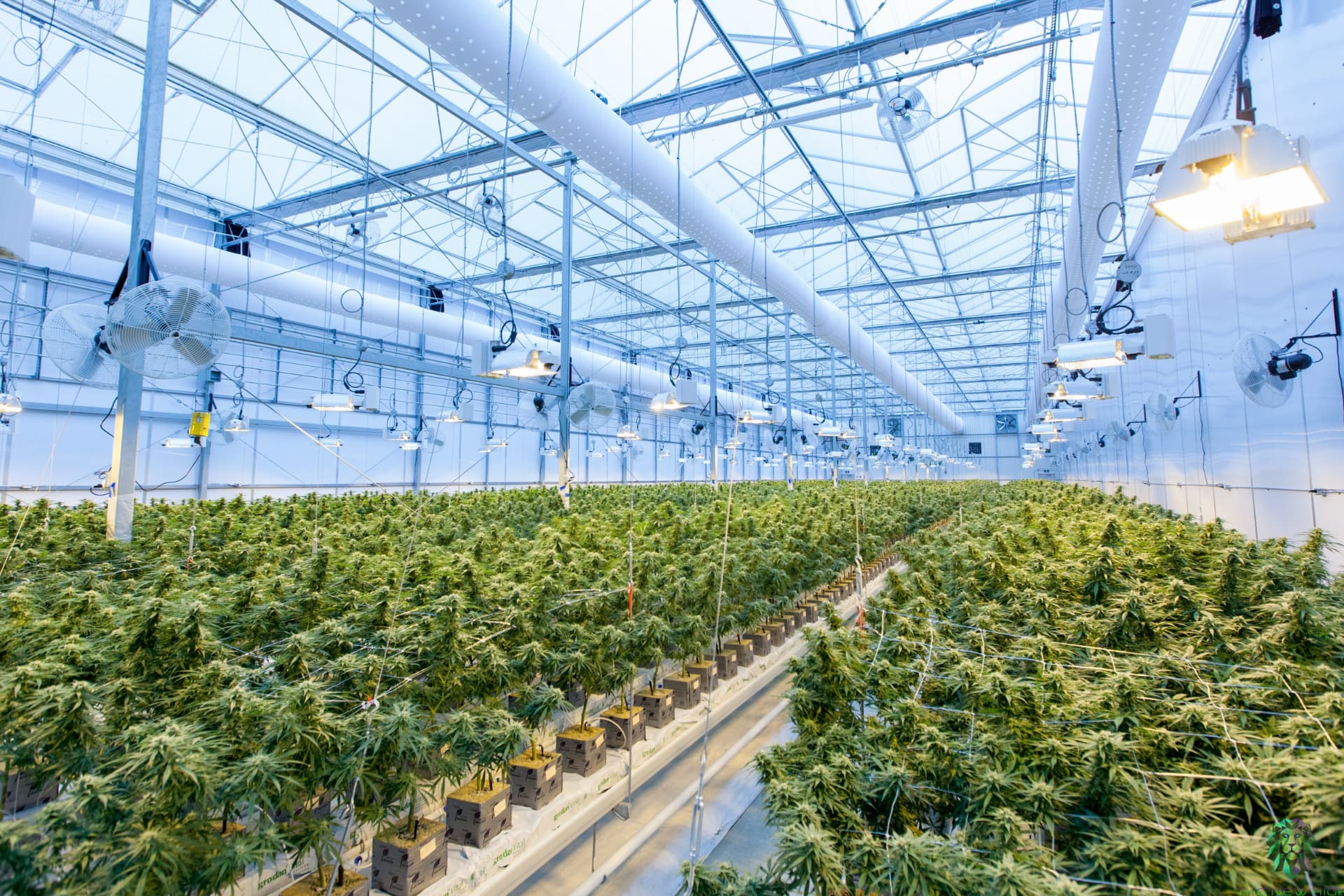
Spanish startup Taima Growth S.L. has successfully navigated strict regulatory hurdles to secure authorization from AEMPS for medical cannabis cultivation. With a high-tech indoor facility in Burgos, the company is preparing for process validation as it sets its sights on major European export markets.
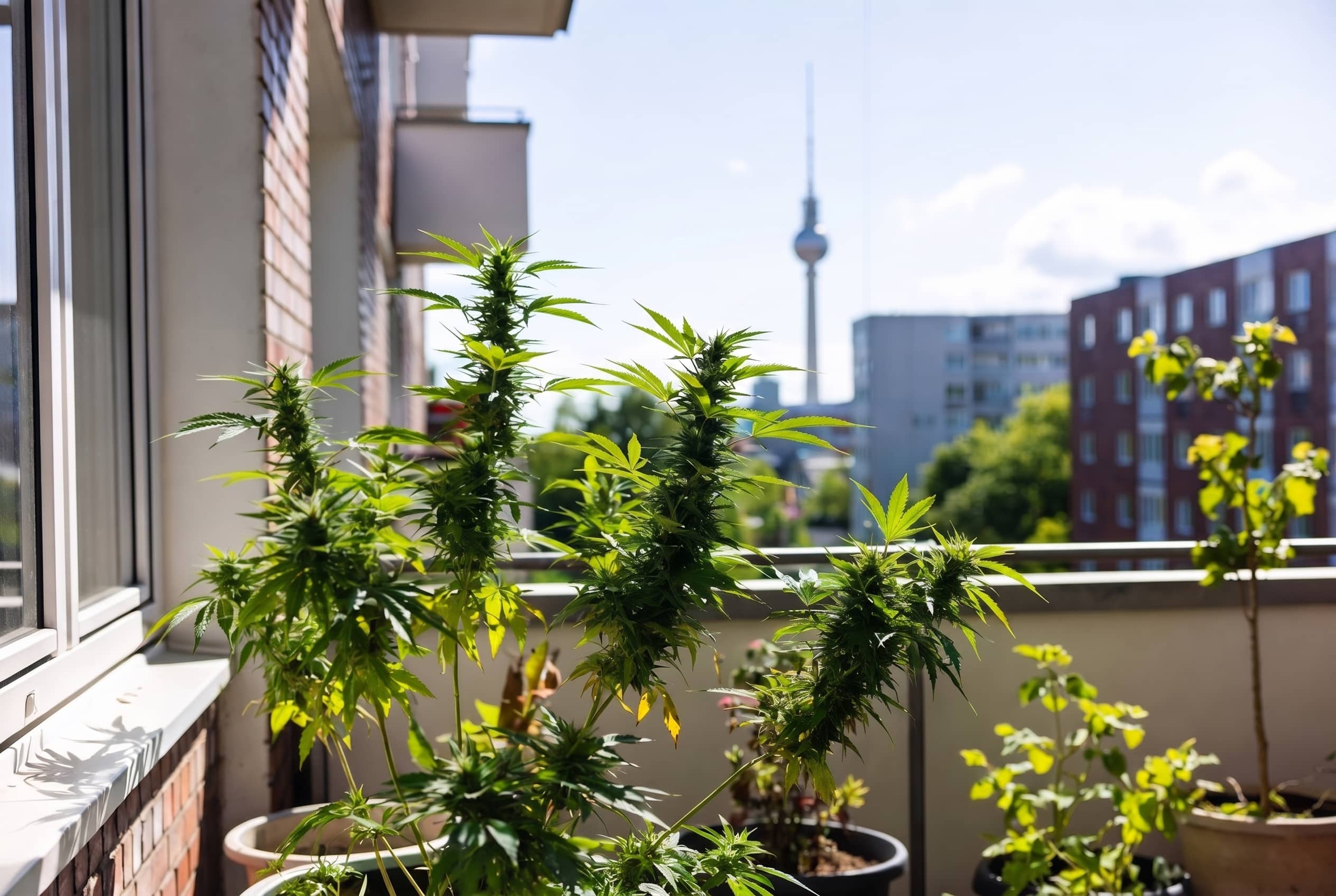
The EKOCAN project study summarizes the results of two years of cannabis reform in Germany, noting a significant increase in home cultivation and successful decriminalization while maintaining a stable level of consumption.



