
In September 2025, Dr. Dustin Sulak, the founder of Healer.com and well-known American cannabis expert, presented a webinar exploring how cannabis can help with cancer, wound healing, ALS and Alzheimer’s disease. He summarized five recent studies published between March and July 2025, each exploring promising therapeutic uses for cannabinoids.
Below we present the key points of the webinar.
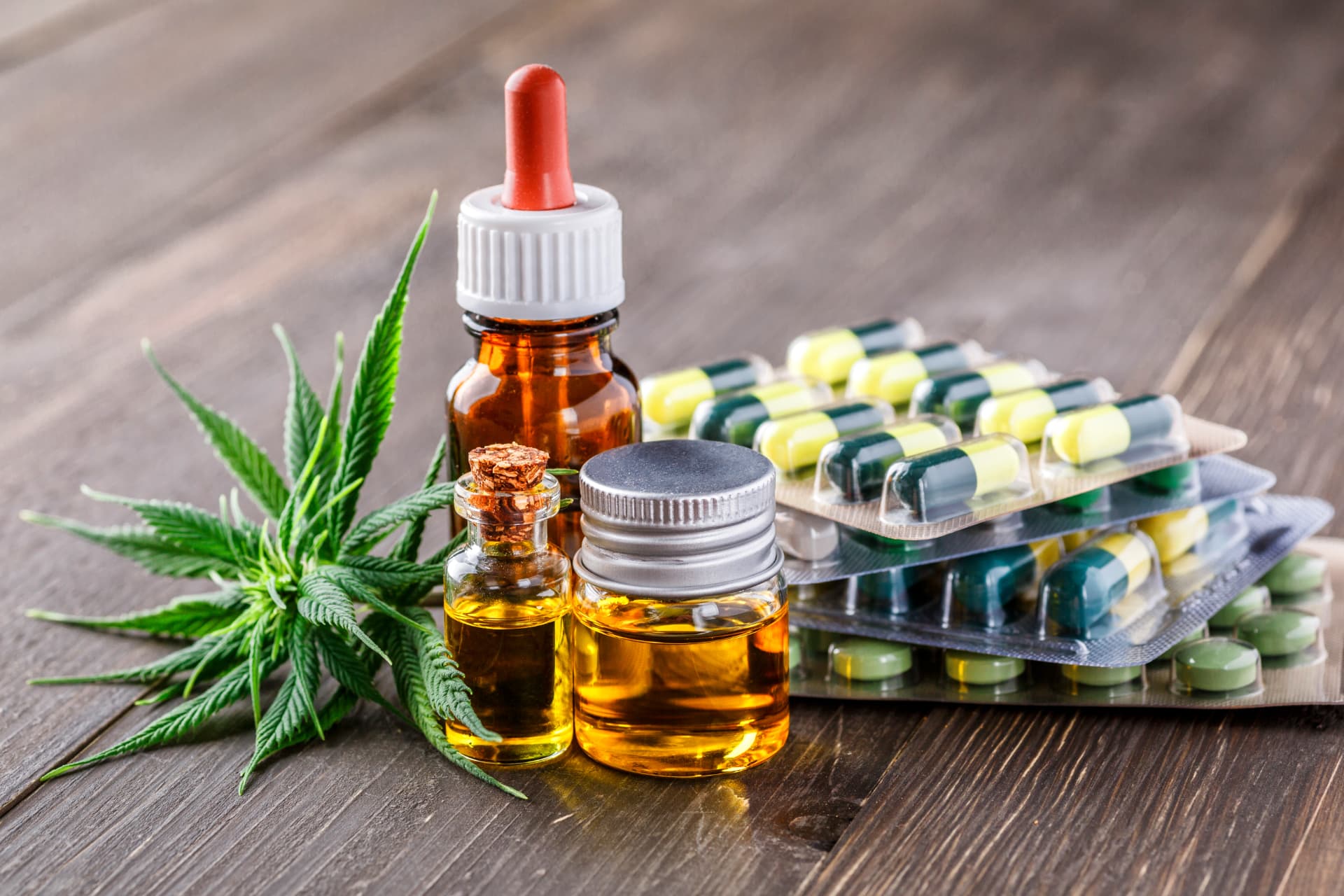
Dr. Sulak’s review began with a study from Thailand, published in the “Journal of Current Science and Technology”. The research compared outcomes for 98 cancer patients, split between those receiving medical cannabis and those using morphine. Results showed that those who used cannabis lived a little longer, spent fewer days in the hospital, and felt better overall. This means that cannabis might help cancer patients improve the quality of their lives, not just control pain.
A July 2025 animal study examined how daily, low-dose THC injections affected wound healing in older mice. The results were clear: THC treatment over three weeks sped up wound closure and improved healing environments, mimicking those found in younger animals. This means THC might help older people’s bodies repair wounds more quickly by reducing inflammation.
Another highlighted study, from “Biomedicine & Pharmacotherapy”, tested cannabidiolic acid (CBDA) in a mouse model of ALS, a disease that attacks nerve cells. CBDA is an acidic cannabinoid that becomes famous CBD after decarboxylation.
The mice given CBDA had better movement and healthier nerve cells than those treated with usual medicine. This research points to CBDA as a possible new treatment for ALS.
A blind UK trial published in “Age and Ageing” tested nabiximols (a blend of THC and CBD) on Alzheimer’s patients. The treatment was safe, but it improved agitation as much as placebo did. Even so, the trial showed it is possible to do large-scale studies safely in the future.
Finally, a June 2025 study examined whether alpha-pinene, a terpene commonly found in cannabis, could stop THC from hurting memory. Results found no notable effect. But Dr. Sulak emphasized the limitations of testing isolated compounds versus whole-plant cannabis, which contains hundreds of active compounds working together.
Dr. Sulak’s analysis of these five studies demonstrates both the promise and complexities of cannabis as medicine, underscoring the urgency of more rigorous, controlled trials. With the USA and Europe now contributing billions to research budgets, the number of medical cannabis studies are likely to multiply.
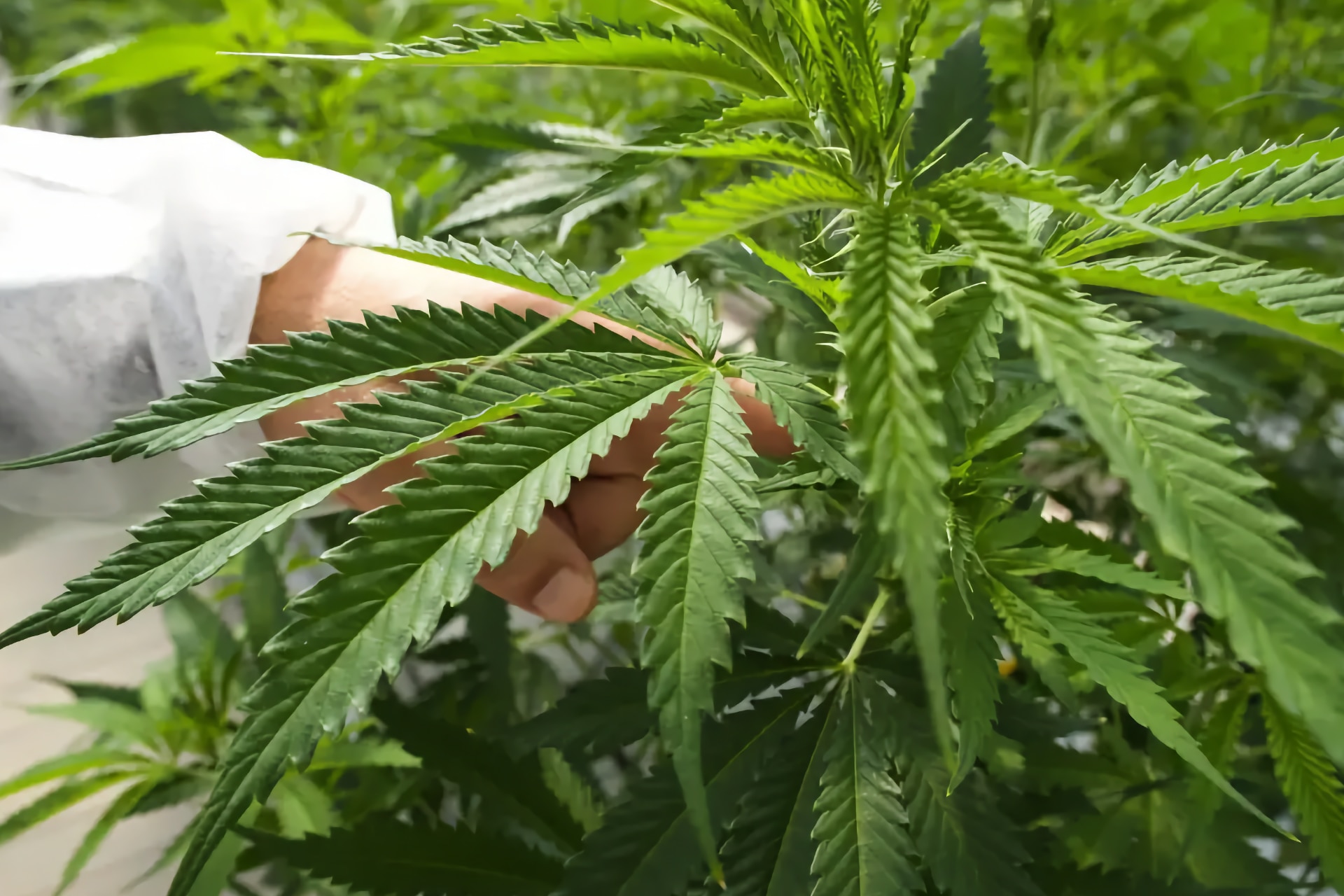
Nivaria Tech Arico S.L. has secured official AEMPS authorization to launch the first eco-friendly medical cannabis cultivation facility in the Canary Islands, leveraging Tenerife's natural sunlight and advanced EU GMP-compliant technology.
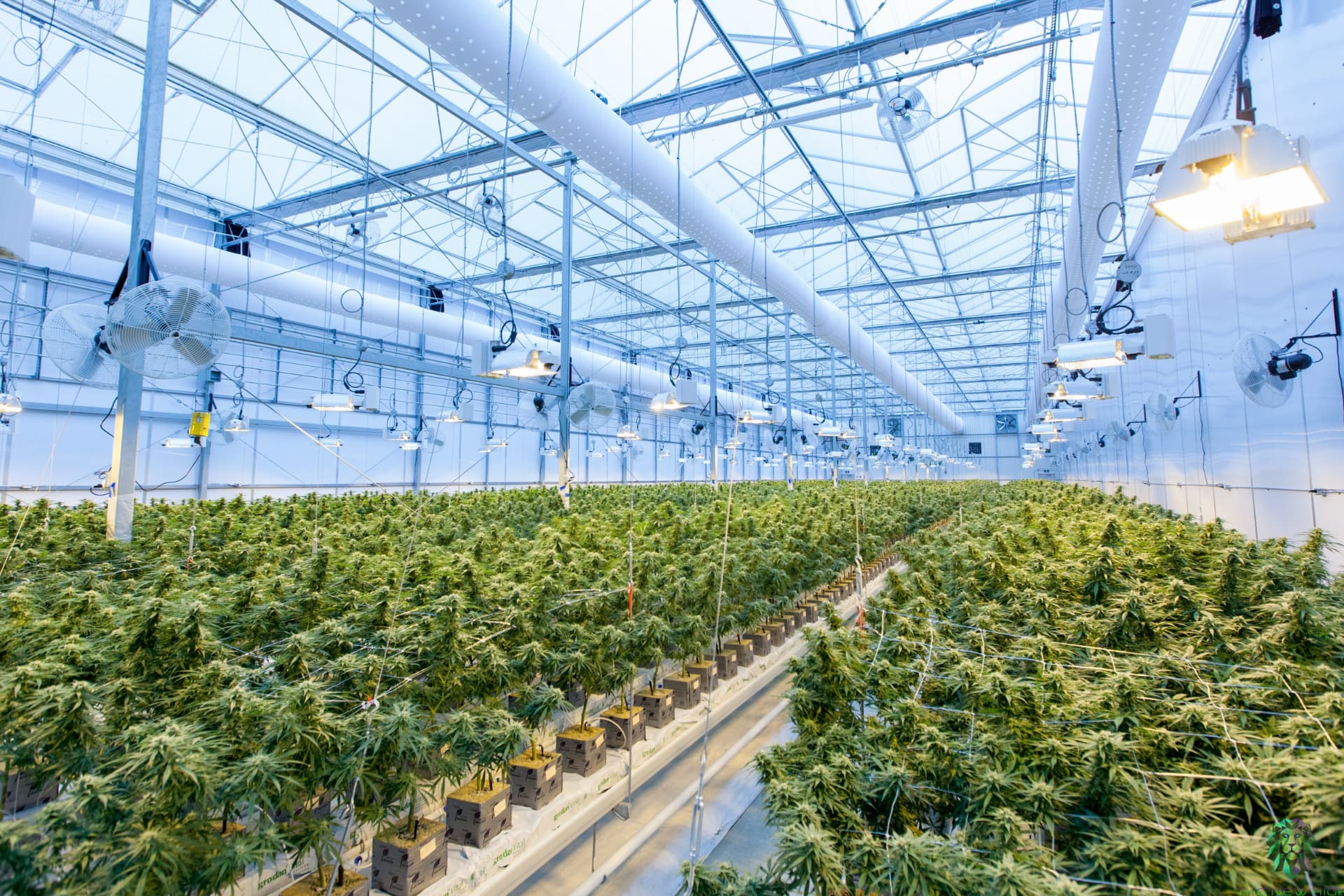
Spanish startup Taima Growth S.L. has successfully navigated strict regulatory hurdles to secure authorization from AEMPS for medical cannabis cultivation. With a high-tech indoor facility in Burgos, the company is preparing for process validation as it sets its sights on major European export markets.
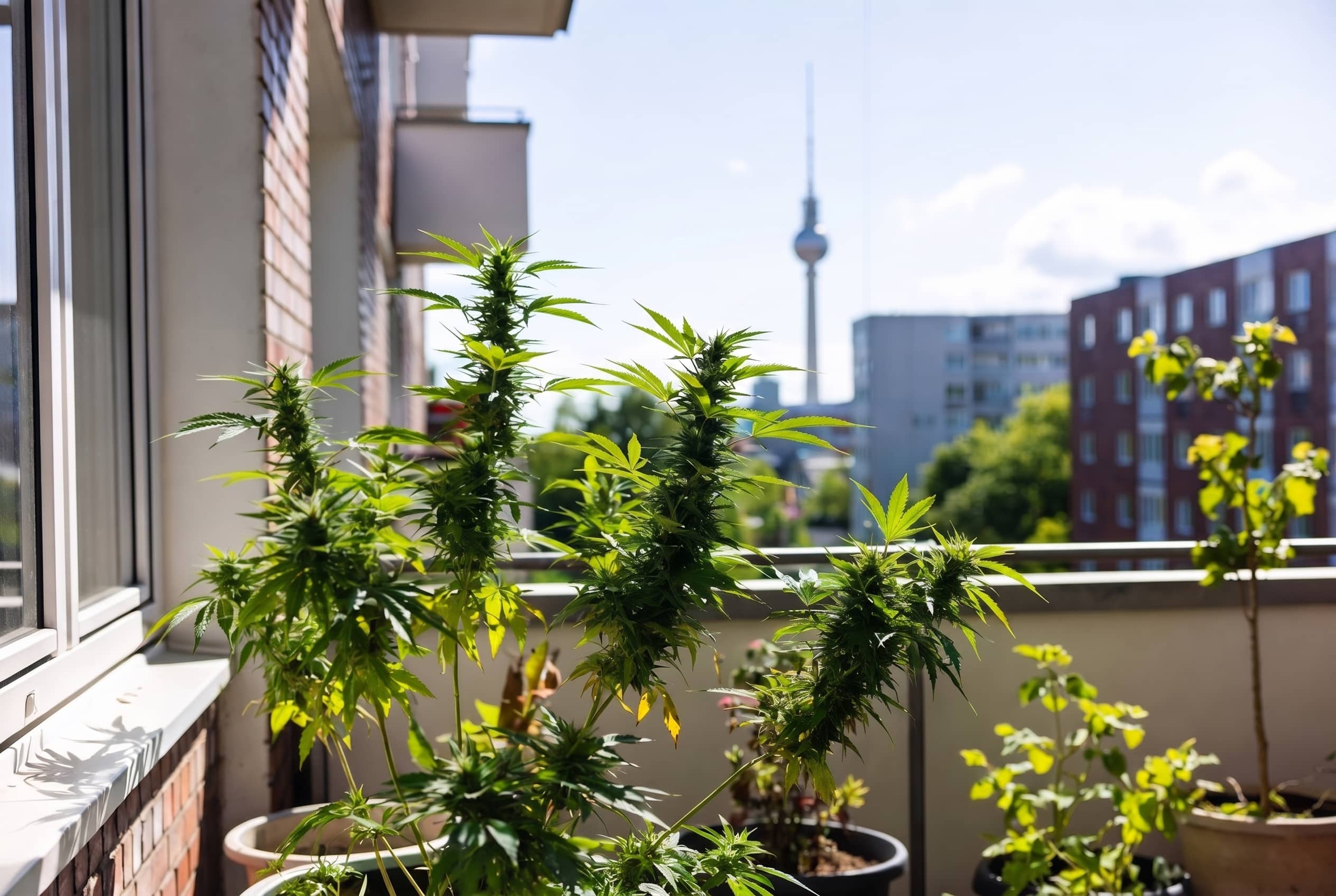
The EKOCAN project study summarizes the results of two years of cannabis reform in Germany, noting a significant increase in home cultivation and successful decriminalization while maintaining a stable level of consumption.



