
Spain has formally regulated the medical cannabis use through the approval of Royal Decree 903/2025. The decree defines the conditions under which cannabis-based medicines can be prescribed and distributed within public hospitals.
This long-anticipated measure strengthens the public health framework by providing controlled access for patients with chronic illnesses when traditional treatments do not help them.
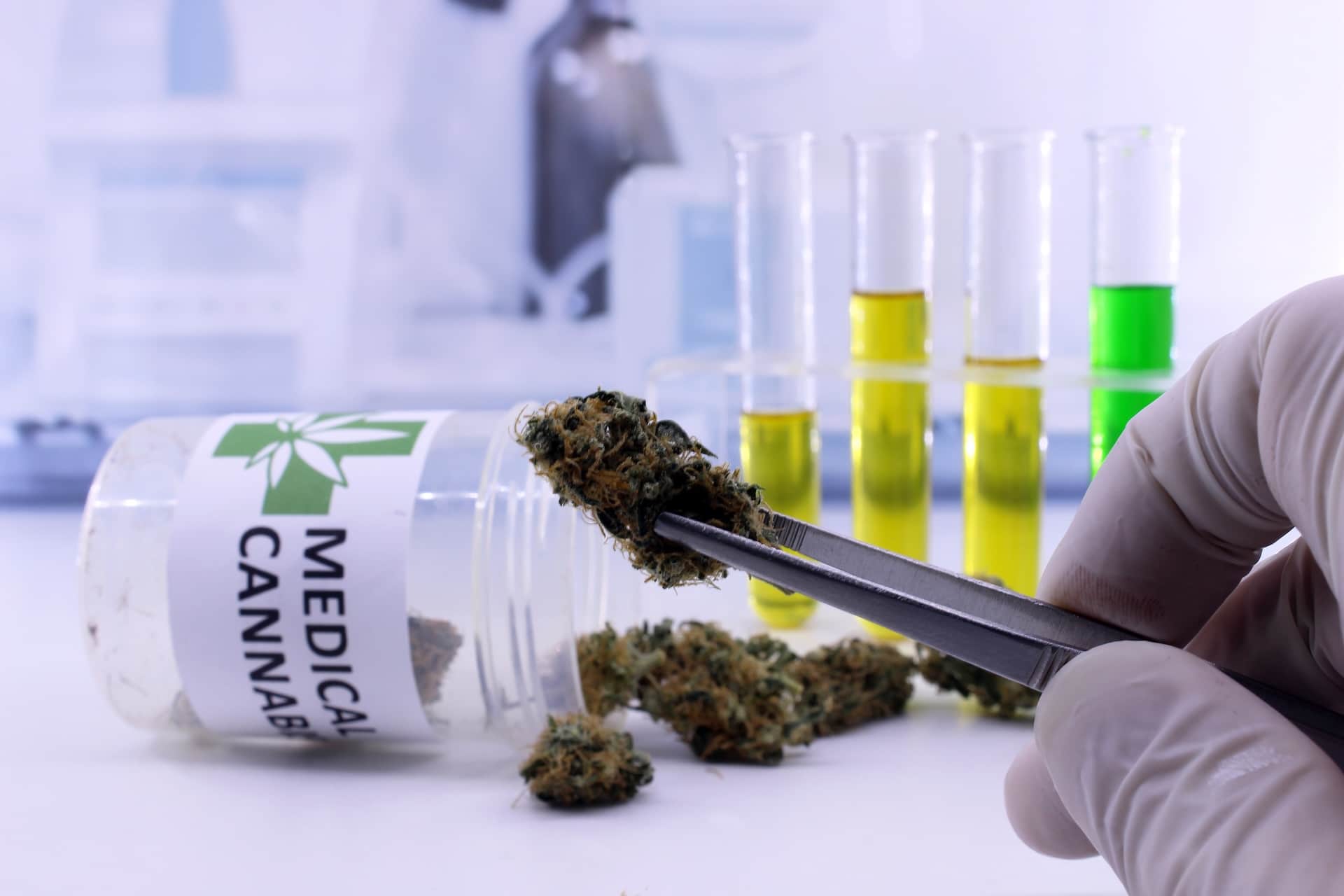
The regulation limits access to situations in which standard medical treatments have proven insufficient. Only specialist doctors from public hospitals are authorized to prescribe cannabis-based medicines to patients with chronic pain, epilepsy, multiple sclerosis–related spasticity, or chemotherapy complications. Primary care physicians and private medical institutions are not part of this prescribing network.
Dispensing will take place exclusively via hospital pharmacies; other pharmacies will not have cannabis-based medicines.
Cannabis medicines are to be made from standardized cannabis extracts that are produced under strict pharmaceutical conditions. These extracts are manufactured in facilities that follow international GMP standards, where each step — from handling the plant material to producing the final extract — is controlled, documented, and audited by health authorities such as the Agencia Española de Medicamentos y Productos Sanitarios.
Once the extracts arrive at the hospital pharmacy, specialist pharmacists transform them into personalized medicines, usually in the form of oils or oral solutions known as Magistral or Master Formulas. These preparations are made to match the dose of THC and CBD prescribed by the doctor.
Because production and preparation are limited to authorized pharmaceutical facilities and hospital pharmacies, patients receive medicines with consistent strength and traceability from cultivation to dispensing. This system is designed to give doctors confidence in what they are prescribing and to ensure that patients are treated with products that meet the same standards as other prescribed medicines.
The Decree mainly affects a small group of patients with chronic pain, severe epilepsy, sclerosis–related spasticity, or chemotherapy complications — in a positive way. Finally, they will get an opportunity to access cannabis-based medicines in a legal way. Access is strictly medical: only hospital doctors can prescribe, only hospital pharmacies can dispense, doses are standardized, and products are made under pharmaceutical-quality rules.
The new regulation barely changes anything for recreational marijuana smokers, though. They do not gain any new legal access or protections from the new Decree, but they are still allowed to consume marijuana in private cannabis clubs if they are members.

The 23rd edition of Europe's leading cannabis trade fair will take place on April 17–19, 2026 at its new venue — Bilbao Exhibition Centre in Barakaldo. Find below all the details known about the upcoming Spannabis Festival.
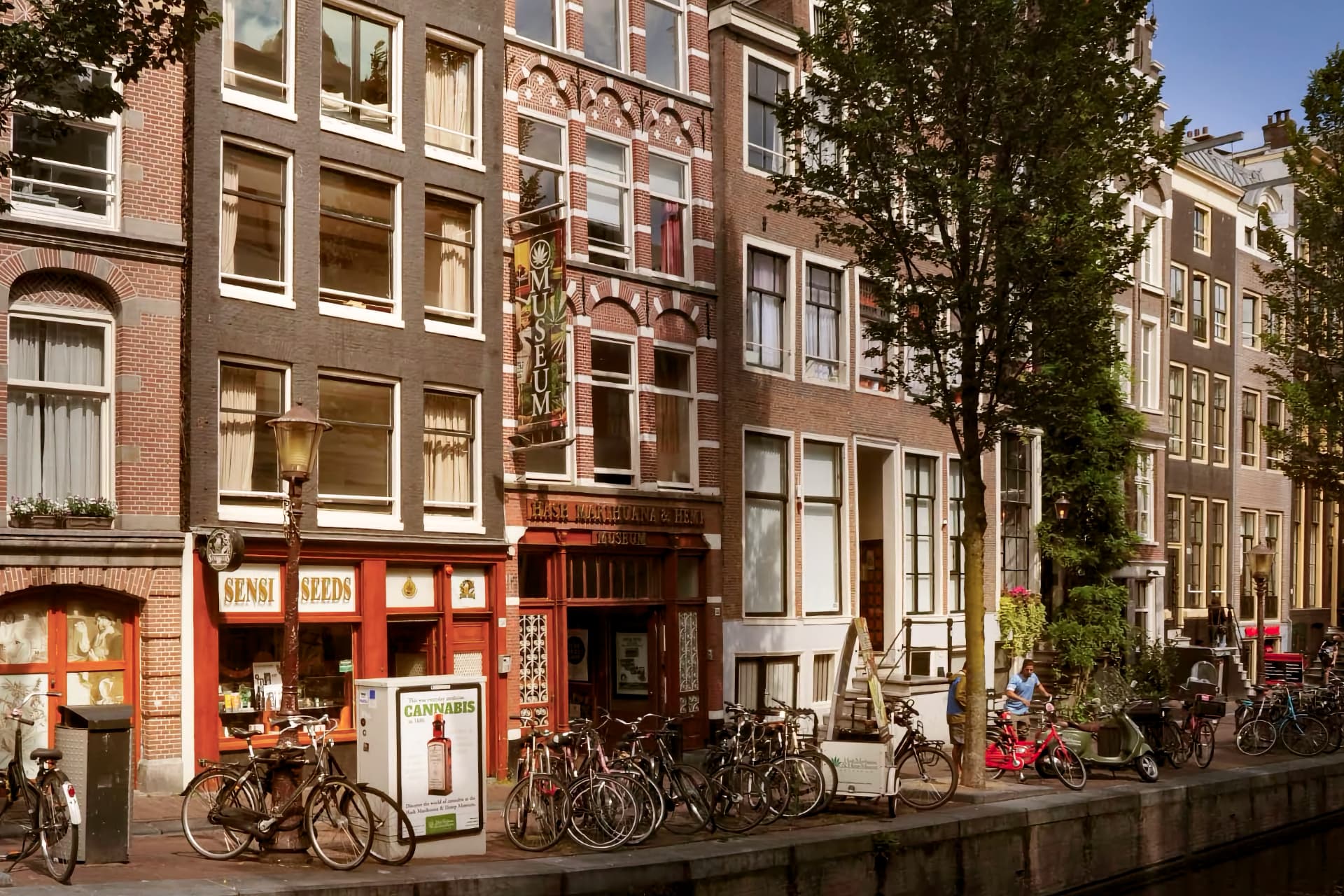
Did you know that Henry Ford’s first car was made from hemp? Or that many great Arab scholars of the Middle Ages — the same ones who gave us modern numerals — used to smoke hashish?
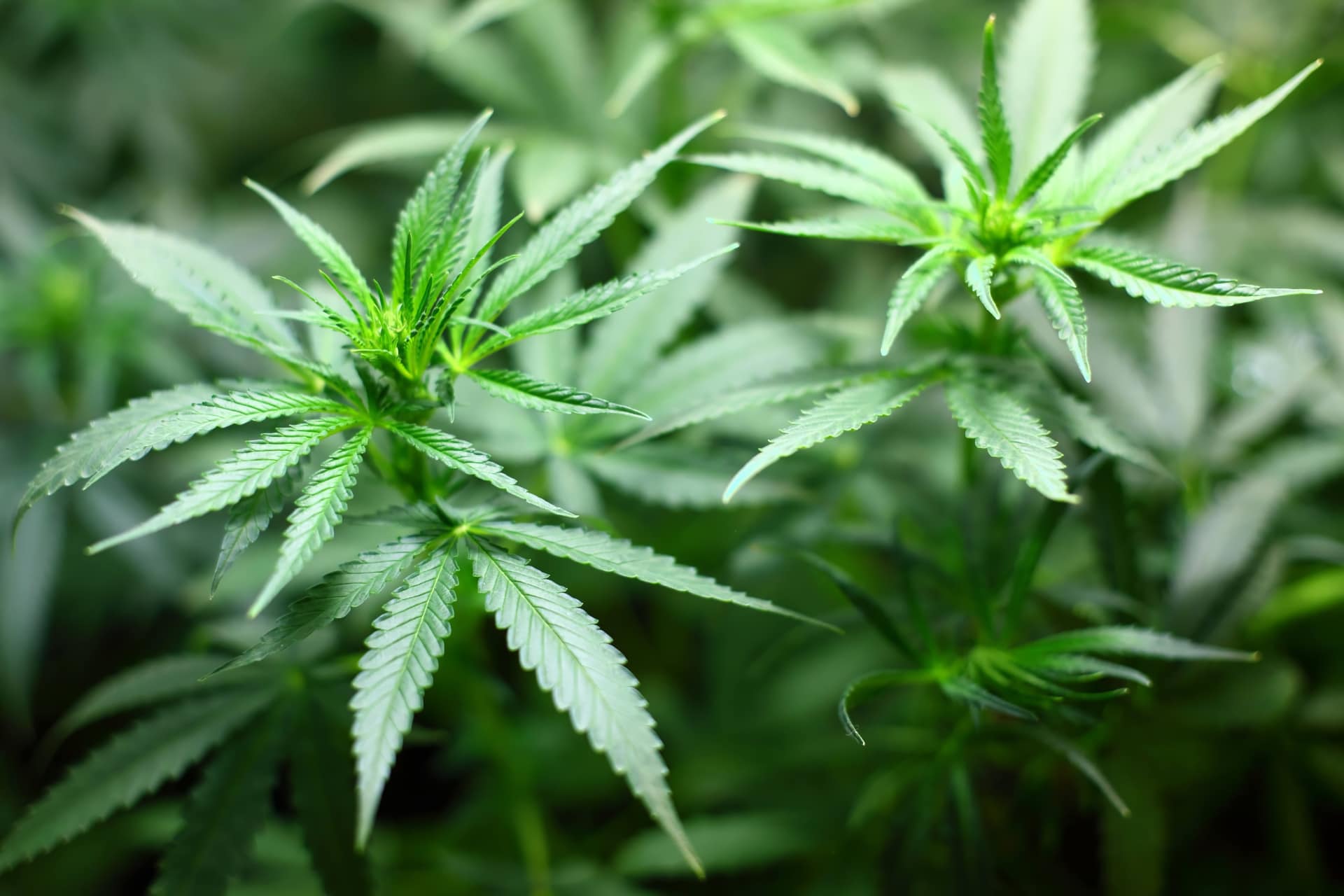
Legalizing medical cannabis has stimulated Spain’s cannabis cultivation industry. According to the report from The Objective magazine, the Spanish government has already granted 224 licenses for marijuana growing since 2018.



