
Spain is entering a new phase in its medical cannabis programme, with the first standardised cannabis preparations set to reach around 50 public and private hospitals. The rollout marks a significant milestone in the implementation of the country's medical cannabis framework, offering a new treatment option for selected patients who have not responded adequately to conventional therapies.
According to Business of Cannabis, the initial deliveries are being organised by Curaleaf, the first company to register standardised cannabis preparations under Spain's new regulatory system. Distribution is expected to expand gradually as hospitals order the products and integrate them into their clinical procedures.

Spain established the legal framework for standardised cannabis preparations through Royal Decree 903/2025, which came into force in October 2025. However, putting the system into practice required additional steps, including the publication of official pharmaceutical guidelines, product registration and the organisation of a distribution network.
In January 2026, the Spanish Agency of Medicines and Medical Devices (AEMPS) published a national monograph setting out how standardised cannabis preparations should be formulated and used. This provided the technical requirements for hospital pharmacies to prepare individualised medicines under medical supervision.
Curaleaf registered the first two preparations, known as CAN-1 and CAN-2, with the AEMPS in July 2026. CAN-1 has a higher proportion of tetrahydrocannabinol (THC), while CAN-2 has a higher proportion of cannabidiol (CBD). Hospital pharmacies use these standardised preparations as ingredients to formulate oral solutions according to individual prescriptions.
These are not ready-made recreational cannabis products. They are intended for use within the regulated healthcare system, with prescribed doses and pharmaceutical oversight.
Under Spain's current framework, standardised cannabis preparations may be prescribed for four clinical indications:
Access is restricted to eligible patients assessed by specialist physicians in hospital care. Treatment must be clinically justified, and doctors are expected to monitor its benefits and potential adverse effects.
The preparations are dispensed through hospital pharmacy services rather than sold over the counter or distributed through ordinary community pharmacies. The hospital pharmacy prepares the prescribed formulation according to the patient's clinical needs and the applicable requirements.
The exact number of patients who will benefit remains uncertain. Eligibility depends on individual clinical assessments, the availability of the preparations and the implementation of the programme by hospitals.
The introduction of standardised preparations is a significant development for patients who need treatment under medical supervision. Consistent cannabinoid content, controlled formulation and pharmaceutical traceability can help clinicians manage treatment more systematically.
However, medical cannabis is not a universal treatment, and the available scientific evidence varies by condition. Evidence for its effectiveness in chronic pain, in particular, remains uncertain. These preparations are intended for selected clinical cases in which conventional treatments have proved insufficient, not as a replacement for standard medical care in every patient.
The initial rollout also does not mean that all Spanish hospitals will immediately offer these treatments. Distribution is expected to develop progressively, depending on hospital orders, clinical procedures and the organisation of regional healthcare services.
The hospital rollout represents an important transition for Spain's regulated medical cannabis sector. After years of legislative debate and administrative preparation, the country is moving towards practical access to standardised cannabis-based medicines within its healthcare system.
The development may create opportunities for pharmaceutical manufacturers, licensed suppliers and companies involved in quality control and distribution. It also highlights the importance of clinical evidence, professional training and reliable supply chains.
However, the new framework applies specifically to medical cannabis preparations. It does not legalise recreational cannabis use, authorise general retail sales or automatically change the legal status of cannabis social clubs in Spain.
For a broader overview of the country's legal framework, see our guide to medical cannabis regulation in Spain.
The first deliveries mark an important beginning. The next challenge will be ensuring that the system operates effectively and that eligible patients can access treatment when medically appropriate.
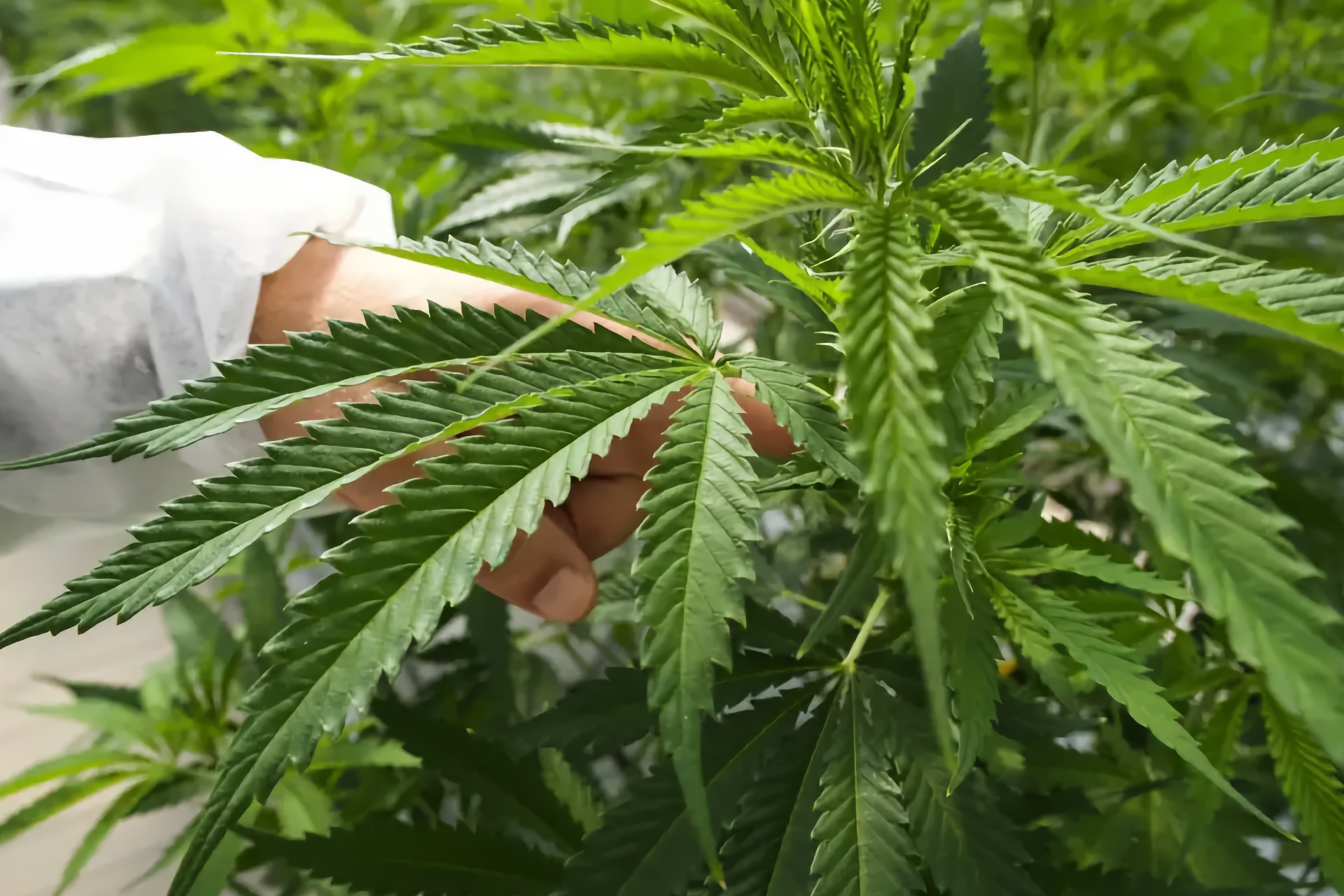
Nivaria Tech Arico S.L. has secured official AEMPS authorization to launch the first eco-friendly medical cannabis cultivation facility in the Canary Islands, leveraging Tenerife's natural sunlight and advanced EU GMP-compliant technology.

Spanish startup Taima Growth S.L. has successfully navigated strict regulatory hurdles to secure authorization from AEMPS for medical cannabis cultivation. With a high-tech indoor facility in Burgos, the company is preparing for process validation as it sets its sights on major European export markets.
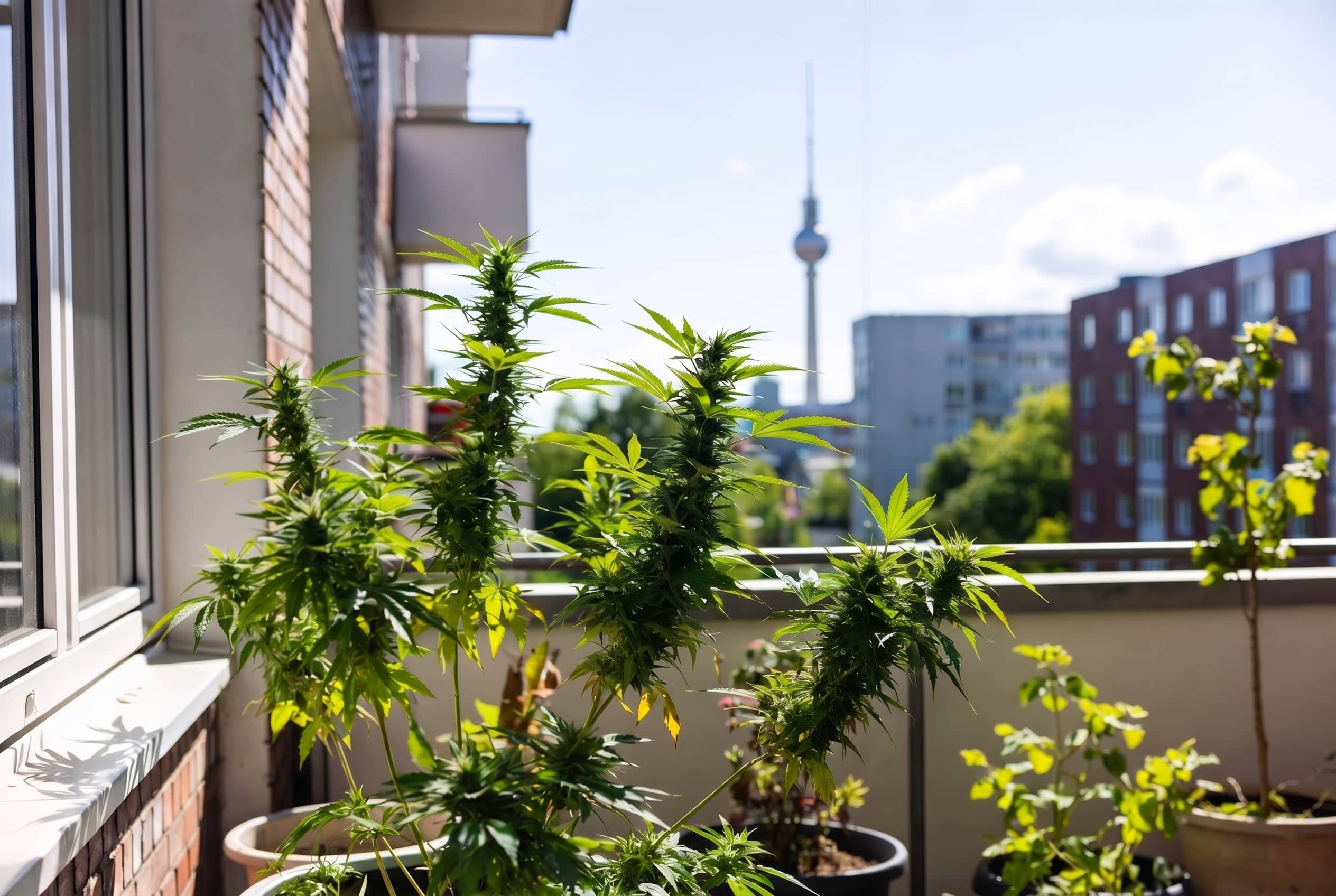
The EKOCAN project study summarizes the results of two years of cannabis reform in Germany, noting a significant increase in home cultivation and successful decriminalization while maintaining a stable level of consumption.


